Editorial Mission and Our Vision for Exploration
Egypt Discovery Guide was born from a desire to provide a different kind of travel information — editorial, non-commercial, and built for the independent traveller into Egypt who wants context over packaging.
What we do, and what we do not
The Egypt Discovery Guide operates as an editorial resource. These are the conditions we work under — not marketing promises, but the practical rules that shape every guide we publish for the traveller into Egypt.
Document Type
Editorial Mission Statement · Revised September 2026
Independently operated
We do not sell packages, accept commissions from hotels, or host sponsored content. Our work is funded by a commitment to editorial travel writing about the region.
Geography, nature, heritage
Guides focus on the physical landscape — desert oases, Red Sea reefs, the Nile ecosystem — alongside the cultural heritage that shapes each region.
The independent traveller
We write for those who carry their own bags, navigate their own routes, and want the structural information to build their own adventure.
To the reader, not the seller
Our loyalty is to the accuracy of the information and the traveller using it. We speak honestly about logistical realities, including the difficult ones.
Cross-referenced and updated
We rely on geographical data, historical research, and the lived experience of independent explorers. Readers are encouraged to cross-reference our guides with current local conditions.
A non-commercial perspective on Egypt travelling guides
Our primary goal is to provide objective information for the independent traveller into Egypt. We do not sell packages, we do not take commissions from hotels, and we do not host sponsored content. This allows us to speak honestly about the landscapes and the logistical realities of the region.
When a road is rough, we say so. When a coastline is difficult to reach without a private vehicle, we say that too. The value of an editorial guide lies in its willingness to describe things as they are — not as a booking funnel would present them. Our loyalty is to the reader and the accuracy of the information.
Celebrating the natural landscape beyond the monuments
While the ancient monuments are incredible, we believe the natural beauty of the country is often overlooked. Our travel guides place a heavy emphasis on the desert oases, the Red Sea reefs, and the Nile's unique ecosystem. We want to inspire travellers to see the country as a whole, appreciating the geology and biology that shaped its history.
The Western Desert holds depressions below sea level where springs surface through ancient rock. The Red Sea coastline holds fringing reef systems that extend for hundreds of kilometres. The Nile, narrow and intensely cultivated, supports a corridor of life through arid land. These are not backdrops — they are the reason the human history of this region exists at all.
Our egypt travelling guides treat each of these environments as a subject worth understanding on its own terms: when to visit, what to bring, what to avoid, and how to move through them without causing harm.
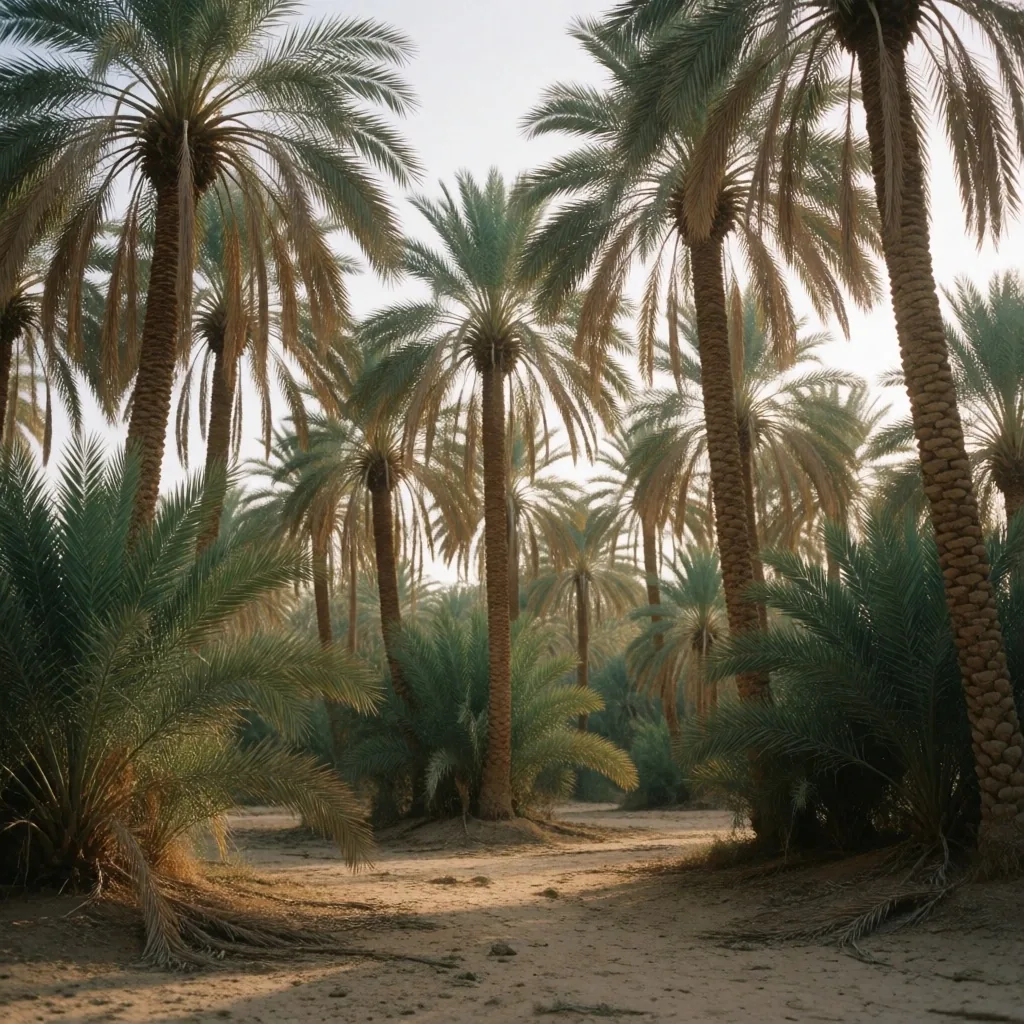
A grove near a desert settlement. The palm is the living architecture of the Egyptian landscape.
Why the palm tree?
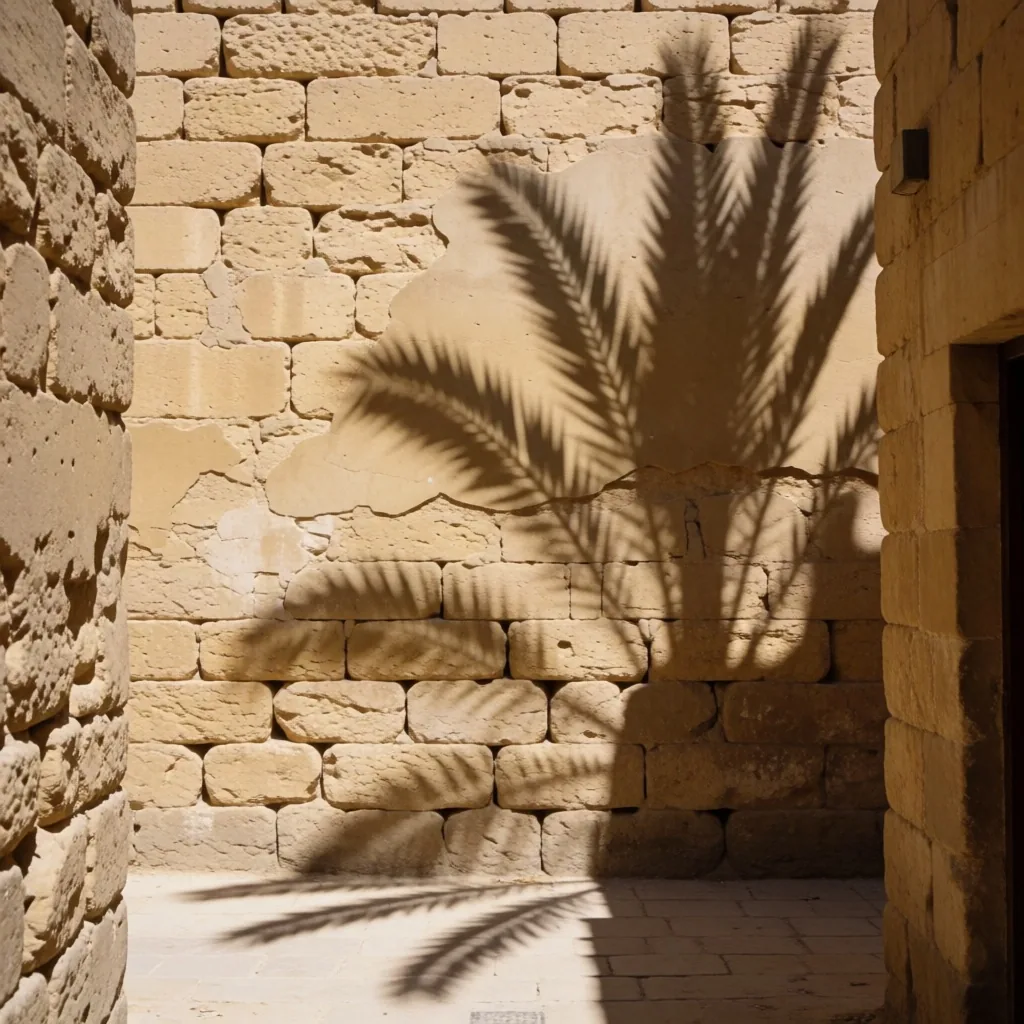
The palm tree is more than just a decorative element on our homepage; it is the ultimate symbol of the Egyptian environment. It represents the presence of life in the desert and the persistence of nature in a harsh climate. By featuring the palm in our visual identity, we remind our visitors of the delicate balance between the sun, the sand, and the water.
Where palms grow, there is water — a spring, a canal, a high water table. Reading the landscape through its palms tells you where settlement is possible, and where the desert takes over again.
Local knowledge and responsible travel
Supporting local knowledge
We believe that the best travel experiences come from engaging with the people who live in these landscapes every day. Our content is informed by local perspectives and a deep respect for traditional ways of life.
We encourage our readers to seek out local guides and artisans, fostering a form of travel that benefits the communities you visit. A guide from the area knows where the road floods after a rare rain, which fishing families welcome visitors, and which sites are best seen at a specific hour of light.
This is not philanthropy language. It is practical advice. The traveller who hires a local guide receives better information and a safer journey; the community receives direct economic benefit rather than a commission routed through a distant operator.
Ethical and responsible travel
Travel has an impact, and we are committed to minimizing the negative ones. We provide clear guidelines on environmental protection, from reef safety to desert waste management.
Reef safety means avoiding contact with coral, using reef-safe sunscreen, and keeping a respectful distance from marine life. Desert waste management means packing out everything you pack in — there is no municipal collection in the open desert, and what you leave stays for decades.
We also discuss the importance of cultural sensitivity, helping our readers navigate social norms with respect and understanding. Our mission is to promote travel that is sustainable and conscious, both for the environments we move through and the people who host us.
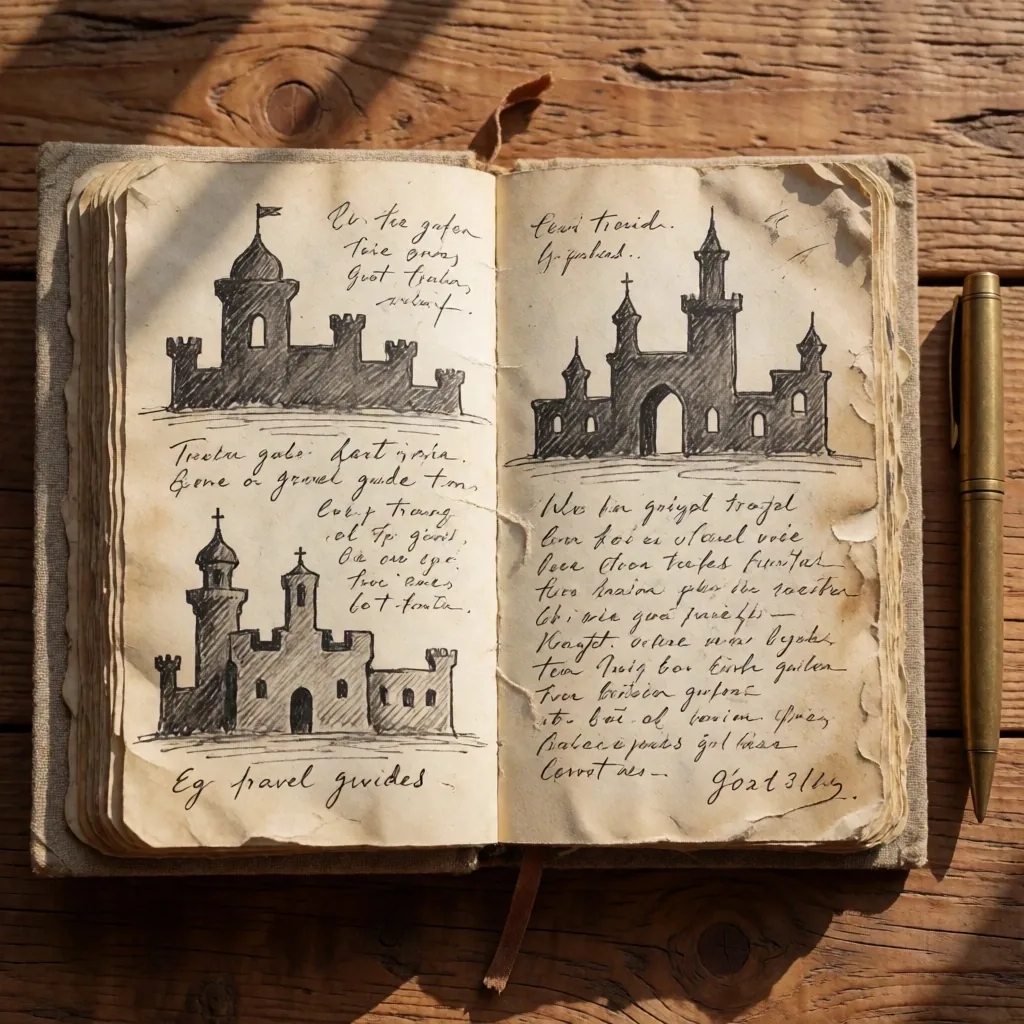
The editorial process begins with research notes, cross-referenced against current conditions on the ground.
Editorial standards and verification
The information on this site is carefully curated and regularly updated. We rely on geographical data, historical research, and the lived experience of independent explorers who have spent extended time in the regions we cover.
While we strive for absolute accuracy, the world is always changing. Road conditions shift, seasonal water levels vary, and small businesses open and close. We encourage our readers to cross-reference our guides with current local conditions before committing to a route.
- ✓ Geographical data sourced from recognised survey references
- ✓ Historical context drawn from established research, not promotional summaries
- ✓ On-the-ground reports from independent explorers with extended regional experience
- ✓ Guides reviewed and revised on a rolling basis, not published once and forgotten
Transparency and trust
We are transparent about who we are and why we do this. Our project is funded by a passion for the region and a commitment to high-quality travel journalism. We do not hide behind corporate masks or use manipulative marketing tactics.
What you see is a straightforward resource designed to be useful and inspiring. If we have not visited a place ourselves, we say so. If a route description is based on secondary sources, we indicate that too. The trust of an independent traveller is earned through honesty about method, not through confident tone.
Our focus on independent travellers
We write specifically for those who prefer to carry their own bags, navigate their own routes, and discover the real version of a place. Whether you are a solo backpacker or a couple looking for an authentic experience, our guides are designed to empower you.
We provide the structural information so you can provide the adventure. That means transport logistics, expected travel times between points, notes on where water and supplies are available, and honest descriptions of what a place feels like at different times of day and year.
We do not tell you what to feel about a location. We give you the practical framework — route, terrain, seasonal conditions, local context — and let the experience be your own.
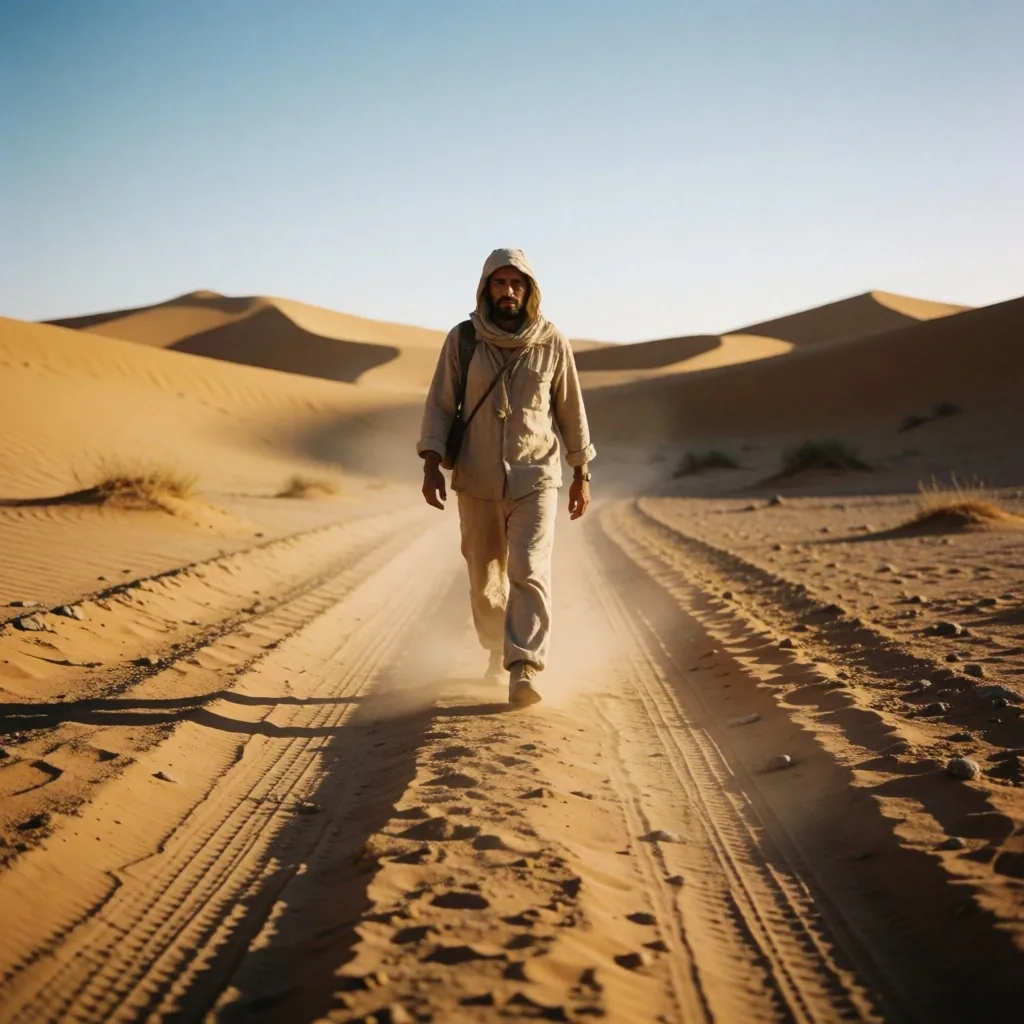
The evolution of our content
The Egypt Discovery Guide is a living project. We are constantly expanding our coverage to include more remote regions and new perspectives on heritage. We listen to the feedback from our community of travellers and use it to refine our guides.
Our goal is to be the most comprehensive and trusted editorial resource for the region. That means adding routes that larger platforms ignore, revising older guides when conditions change, and being honest about the gaps in our coverage rather than pretending they do not exist.
If you have travelled a route we have not yet covered, or found a description that no longer matches reality, we want to hear from you. Reader correspondence is one of the sources that keeps this project accurate.
Expanding to remote regions on a rolling basis
Guides reviewed and revised regularly
Corrections and field reports welcomed
Connecting the past and the present
We believe that you cannot understand modern Egypt without knowing its ancient history, and you cannot appreciate the ruins without seeing the people living among them today. Our content bridges the gap between the archaeological past and the contemporary present.
A temple complex is not only a historical artifact. It is also a place where families from the surrounding villages work, where local guides have built deep knowledge over years, and where the relationship between the site and its community continues to evolve. Our guides describe both the stones and the living context around them.
This integrated approach provides a richer, more nuanced understanding of the country. It also helps travellers engage with places responsibly — aware that they are visiting a living environment, not an empty exhibit.
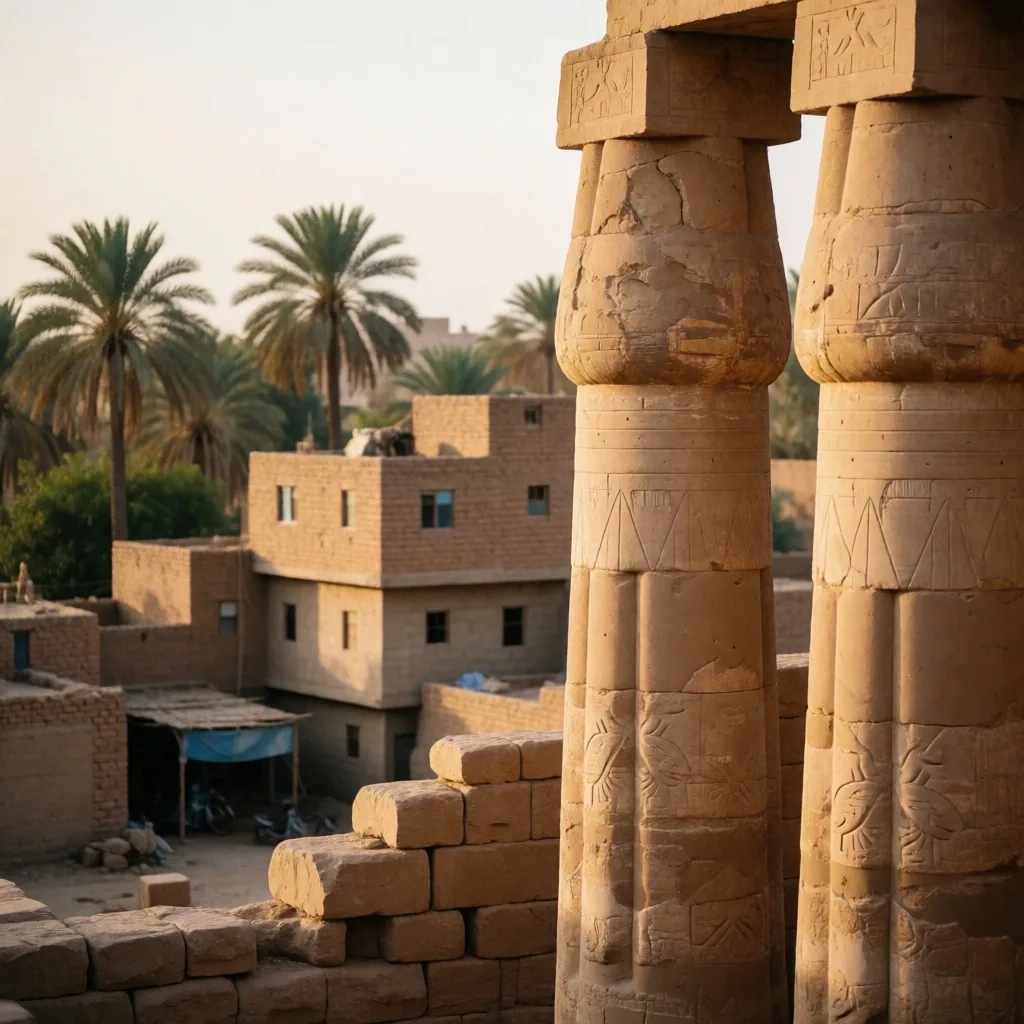
Ancient columns and contemporary settlement, side by side. The site and the community are inseparable.
Where this mission leads next
Our egypt travelling guides are built from this editorial foundation. The best way to understand what we do is to read the work itself — the routes, the landscapes, and the regional context we have assembled for the independent traveller.
Editorial Office
Egypt Discovery Guide · 36FC+4MF, Mohammed Mazhar, Abu Al Feda, Zamalek, Cairo Governorate 11211, Egypt · +201211121808 · [email protected]
Open Monday through Sunday, 08:00 to 20:00.