
REGIONAL INDEX
- 01 · Red Sea vs. MediterraneanCoasts
- 02 · Nile Valley vs. OasesInland
- 03 · Cairo vs. Upper EgyptNorth / South
- 04 · Eastern vs. Western DesertWilderness
- 05 · Seasonal TimingCalendar
- 06 · Culture vs. SolitudePace
- 07 · Logistics & AccessPlanning
A side-by-side field comparison · for the independent traveller into Egypt
Regional Comparison & Destination Selection
FIELD NOTE 01
Orientation
Deciding where to spend your time in a country as large and diverse as Egypt is a real challenge.
Each region offers a different climate, geography, and cultural feel. This comparison guide is designed to help you weigh the options based on your personal interests — whether you are looking for marine biodiversity, ancient history, or desert solitude. Use these egypt travelling guides to narrow down your itinerary before you commit to a base.
We compare regions on physical terms: wind, heat, water clarity, terrain, and the logistical effort required to move through them. The goal is a grounded, honest picture of what each area feels like on the ground — not a ranking. A traveller into Egypt who reads through all seven comparisons below will have a clearer sense of which shore, valley, or desert fits their trip.
THE SPEC MATRIX
Seven regional pairings, compared side by side.
Each row sets two zones against each other on terrain, pace, and what kind of traveller they suit best.
01 / COASTS
Red Sea Coast
The destination for world-class diving and year-round warm weather, with rugged mountains providing a dramatic backdrop. Coral reefs sit close to shore, water clarity is high, and the wind that funnels through the mountain gaps keeps the air moving even in the peak of summer. Choose this coast for adventure and active days on the water.
Mediterranean Coast
A more temperate climate, white sand beaches, and a European-influenced atmosphere. The pace is slower and more relaxed. Summers here are the mildest in the country, and the sea is gentler and shallower. The water conditions vary significantly from the Red Sea — cooler, less saline, and without the reef wall. Choose this shore when you want to rest.
02 / INLAND
The Nile Valley
Densely populated, green, and rich in iconic historical monuments. This is the place to experience the traditional heartbeat of the country and see the major temples that line the river. Train travel connects the main towns, and the landscape shifts from flat Delta farmland in the north to narrow limestone cliffs in the south. The valley is never silent.
The Western Oases
Remote, quiet, and dominated by desert landscapes. The oases offer a more introspective experience and a chance to see how life adapts to extreme isolation. Palm groves cluster around natural springs, and the silence between settlements is total. Roads are long, services are sparse, and the night sky runs edge to edge without light interference.
03 / NORTH–SOUTH
Cairo & the North
The capital and the Delta are fast-paced, urban, and modern, yet filled with medieval history. Narrow lanes in old quarters open into broad twentieth-century boulevards. If you love urban energy and diverse architecture, stay north. The density of people, traffic, and sound is real — and so is the depth of layered history visible in the stonework.
Upper Egypt
More traditional, where the pace of life follows the river's flow and the heat is more intense. Head south to Luxor and Aswan if you want to see the most impressive ancient ruins and experience rural river life. The tempo is slower, the light is warmer, and the landscape narrows between the desert plateaus on either side of the Nile.
04 / WILDERNESS
Eastern Desert
Mountainous and rugged, perfect for those who enjoy trekking and seeing jagged peaks. Dry wadis cut through the range toward the Red Sea coast, and old caravan trails still cross the high ground. This is a true wilderness — no oasis infrastructure, no settled population beyond a few mining roads, and very little shade.
Western Desert
Characterized by vast dunes and white limestone formations, offering a more surreal and expansive landscape. The Western Desert is more accessible in terms of oasis infrastructure — settlements like Bahariya, Farafra, Dakhla, and Kharga form a chain that can be crossed with planning. The terrain shifts from hard packed gravel to towering sand seas to blindingly white chalk.
05 / CALENDAR
High Season — Oct to Apr
Winter offers the best weather for exploring the south, when daytime temperatures in Luxor and Aswan drop to a comfortable range. The trade-off: major sites are at their most crowded, and coastal towns fill with domestic visitors during holiday weeks. Days are short, light is soft, and mornings can be cool enough for a jacket.
Low Season — May to Sep
Summer is incredibly hot in the south — daytime highs regularly exceed forty degrees — but the northern coast is at its best and the major monuments are much quieter. If you can plan around the heat, you will have temples to yourself and the Red Sea water is at its clearest. Your tolerance for heat and crowds will determine the best time for your journey.
06 / PACE
Cultural Intensity
Areas like the bustling markets of Cairo or the temple complexes offer high cultural intensity and frequent interaction with others. You will be surrounded by sound, language, food, and human density. This is where Egypt feels most alive in the moment — and where sensory fatigue is a real risk after several days.
Natural Solitude
The deep desert or remote coastal lagoons offer profound solitude. Days pass with only wind and terrain for company. We help you balance your itinerary between these two extremes so you don't get overwhelmed or lonely. Most travellers do best with a mix — three or four days of intensity followed by two days of quiet.
07 / PLANNING
Logistics & accessibility across zones
We do not discuss specific costs, but we can compare the logistical demands of each region. The Nile Valley is the easiest to navigate via train, with regular service connecting Cairo, Luxor, and Aswan. The oases and the deep desert require more planning and often private transport — a reliable driver and supplies of water and fuel. The coast is well-served by buses and flights but can be more spread out, so transit times between towns add up.
Some regions are more prepared for independent visitors than others. The Red Sea resorts and the Luxor–Aswan corridor have plenty of services for foreigners — English signage, guided options, and familiar food. The Delta and the remote Western Desert are less accustomed to solo travellers and may require a more adventurous spirit and better language skills. Consider the time you have available when choosing your regions: a short trip favors one base, while two weeks allows for a meaningful pairing.
DEEPER FIELD NOTES
Beyond the matrix — what each zone feels like on the ground.
CHAPTER 01 — VISUAL REWARDS
Photography potential by region
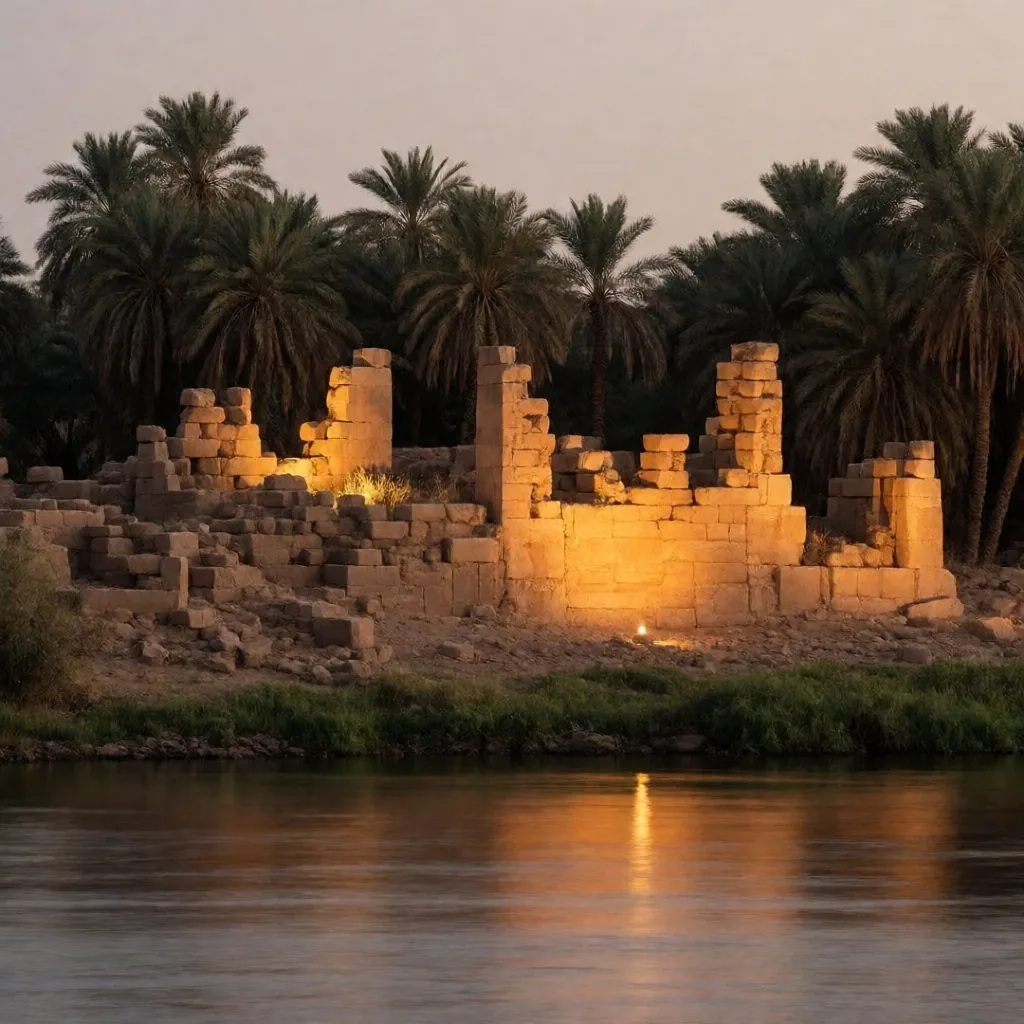
Photographers will find different rewards in each zone. The south is famous for the golden light on the temples and the river — late afternoon turns sandstone deep amber and throws long shadows across colonnades. The Western Desert offers otherworldly shapes and incredible night skies; the chalk formations of the White Desert glow under moonlight.
The coastal regions provide vibrant underwater colors and dramatic sunrises over the water. A photographer travelling with these travel guides should plan rest days around light: shoot at dawn and the last two hours of day, and let the middle hours be for moving between locations.
Heritage walks guide →CHAPTER 02 — WHO IT SUITS
Family travel versus solo exploration
Some areas are better suited for families, with gentle beaches and easy transport links. The Mediterranean coast and the Red Sea resort towns both have calm swim zones, short transfer times, and food that children will recognize. The Nile between Luxor and Aswan works well for families who can pace themselves and take a boat rather than a road.
Other regions, like the rugged Eastern Desert or the crowded streets of the capital, might be more challenging for those with young children. Solo travellers with time and flexibility will find the deep desert and the Delta towns more rewarding. We provide a brief overview of the feel of each region to help you decide which environment fits your travel group best.
Traveller essentials →
CONTINUE THE COMPARISON
Region-by-region routes for the traveller into Egypt.
ROUTE 01
Coastal Retreats
Red Sea reefs and Mediterranean shores compared — water clarity, wind exposure, and shore access for divers and swimmers.
Open coastal guide →ROUTE 02
Desert Oasis Routes
Western Desert chains and Eastern Desert wadis — terrain types, water sources, and what isolation actually feels like.
Open desert guide →ROUTE 03
Cultural Heritage Walks
Nile Valley temples and old Cairo quarters — where to go for layered history and how to read the stonework yourself.
Open heritage guide →ROUTE 04
Nile River Vistas
Upper Egypt from Luxor to Aswan — the slow current, riverside villages, and how to travel the corridor by boat.
Open Nile guide →FAQ LEDGER
Questions that come up when comparing regions.
These are the trade-offs travellers most often weigh before committing to a base. If you need more detail on a specific zone, the route guides above go deeper.
- Which region is best if I have only one week?
- Pick one base and stay there. The Luxor–Aswan corridor gives you the densest concentration of historical sites in the shortest distance. The Red Sea coast works if your priority is water and rest. Trying to combine the south and the coast in seven days leaves too much time in transit.
- How do the two coasts actually differ in the water?
- The Red Sea has coral reefs close to shore, high visibility often beyond twenty meters, and warm saline water year-round. The Mediterranean is cooler, less salty, with sandy shallows and gentler swell. The Red Sea is for diving and snorkeling; the Mediterranean is for swimming and resting on the sand.
- Is the Western Desert safe to travel independently?
- The main oasis chain — Bahariya, Farafra, Dakhla, Kharga — is passable with a reliable vehicle and enough water. Going beyond the chain into the deep dune fields or the Great Sand Sea requires an experienced driver and a convoy. Do not attempt the deep desert alone, and check current access conditions before you commit.
- When should I avoid the south?
- June through August in Luxor and Aswan is genuinely harsh. If you are sensitive to heat, shift your southern leg to October–November or March–April. If you must travel south in summer, plan all outdoor activity for the first three hours after dawn and stay shaded through the middle of the day.
- Can I balance culture and solitude in one trip?
- Yes — pair three or four days in Cairo or the Nile Valley with two or three days on the coast or in an oasis. The contrast is part of what makes a longer trip work. Most travellers find that quiet days after intense ones let the experience settle rather than blur together.
CLOSE · NEXT STEPS
Ready to compare all regions and plan your route?
These travel guides are built for the independent traveller into Egypt who wants to choose a base with eyes open. Continue into a specific regional guide, check the seasonal calendar, or read stories from travellers who have already made the choice.
EDITORIAL BASE
36FC+4MF, Mohammed Mazhar, Abu Al Feda, Zamalek, Cairo Governorate 11211, Egypt