
Reader Questions / Answered
Frequently Asked Questions for Independent Travellers
Navigating a new country often brings up a specific set of concerns. This section addresses the most common queries we receive from those planning their first journey as a traveller into Egypt. Our goal is to provide clear, editorial answers that focus on the logistics and the environment, helping you feel prepared for the road ahead.
§ 01 — Question Index
Eight questions, answered in plain language
The questions below come from real correspondence with readers planning their first trip. They cover the practical side of moving through the country — transport, water, dress, connectivity, and the small social norms that make daily interactions smoother. Each answer is written to stand on its own, so you can jump directly to whatever concern is on your mind.
Independence & Safety
Is it possible to travel independently?
Yes, many visitors choose to explore the country without a pre-packaged tour. The transport infrastructure between major cities is well-established, and local hospitality makes it relatively easy to navigate once you understand the basic norms. However, for certain desert routes, local specialized assistance is often required by law for safety reasons.
What this means in practice: the Nile Valley corridor, the Red Sea coastal road, and the main highway network between Cairo, Luxor, Aswan, and Alexandria are all travelled routinely by independent visitors using trains, buses, and private transfers. The restrictions apply specifically to the Western Desert, the Eastern Desert, and routes through the deep Sahara, where checkpoint authorities will ask to see that you are travelling with a registered local guide who knows the terrain, the water sources, and the emergency protocols.
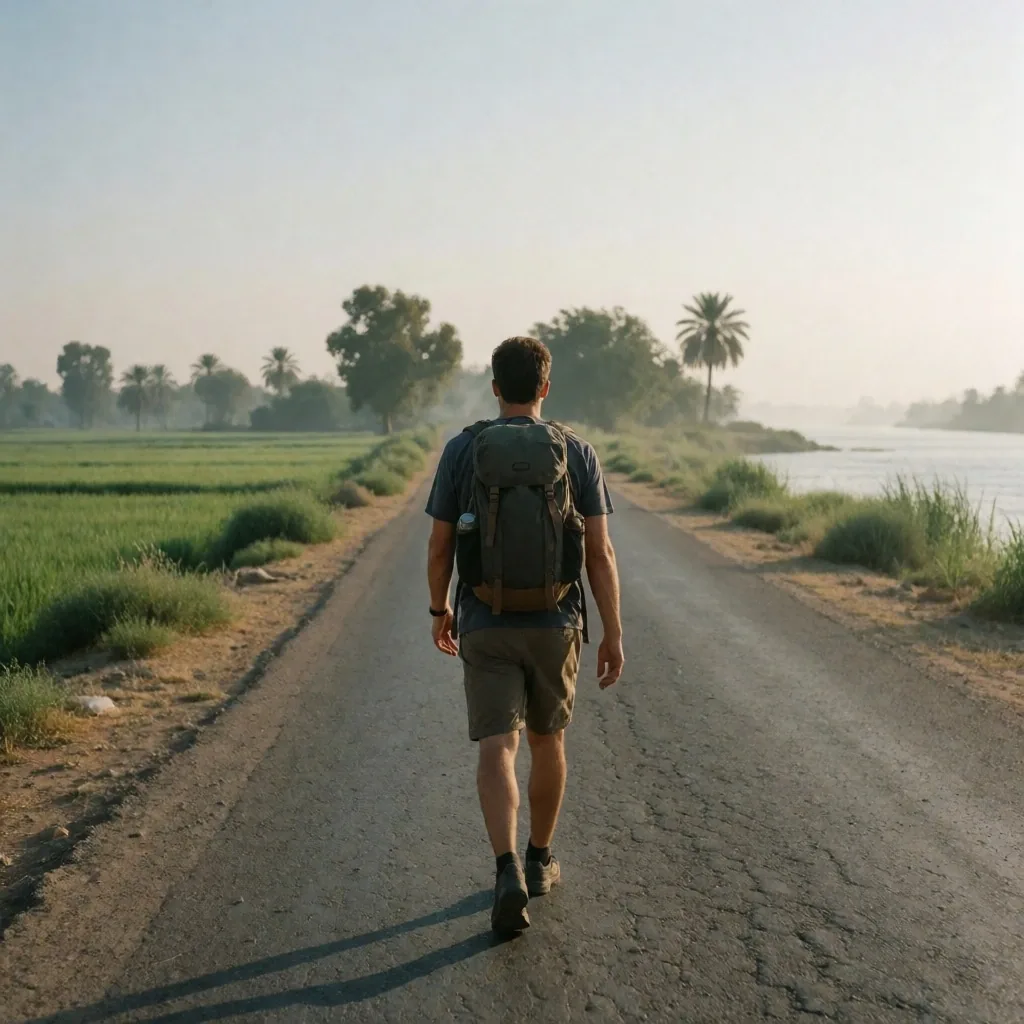
Fig. 01 — Nile Valley road, routine for independent movement
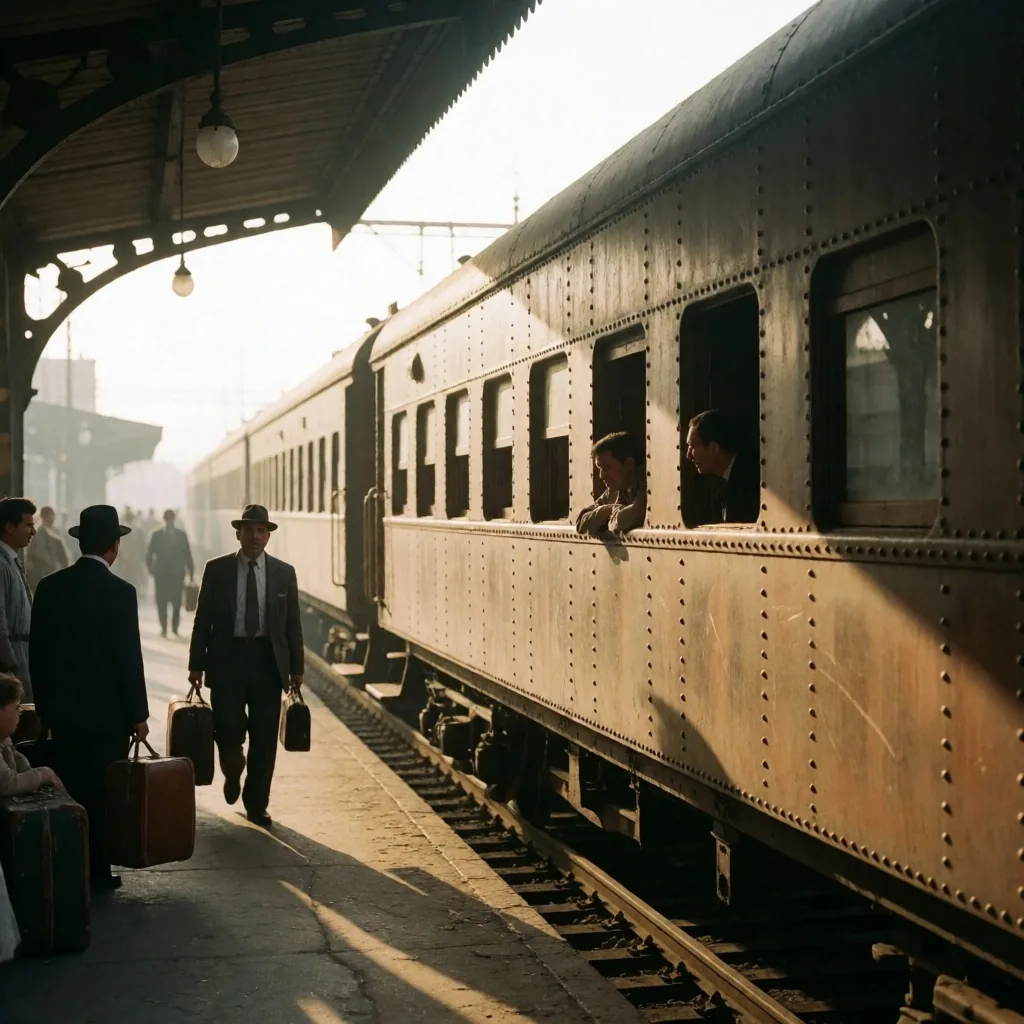
Fig. 02 — Rail corridor along the Nile
What is the best way to move between cities?
The railway system is a favorite for many, offering a comfortable and scenic way to travel the length of the Nile. For shorter distances, microbuses are the most common local option, though they can be crowded. Domestic flights are available for crossing the country quickly, and long-distance buses connect the Nile Valley to the coastal resorts.
In practical terms, the Cairo-to-Luxor and Cairo-to-Aswan sleeper trains give you a full night of travel and a morning arrival without losing a day. Microbuses depart when full from designated stands in every town — cheap, fast, and somewhat informal. Long-distance coaches run by national operators offer air-conditioning and reserved seating for the valley-to-coast route. For the longest distances, a domestic flight can cut a ten-hour journey to ninety minutes.
How should I dress when visiting rural areas?
In rural and conservative areas, both men and women should aim to cover their shoulders and knees. This is a sign of respect for local customs and will often result in a warmer welcome. On the Red Sea coast, beach attire is acceptable within the resort areas, but you should cover up when heading into the towns.
The simplest approach is to carry a lightweight cotton layer — a long-sleeved shirt or a scarf — that you can pull on when stepping off the beach and into a shop, a café, or a taxi. In the Nile Valley villages and the desert oases, long trousers and a top that covers the shoulders will make the difference between being treated as a passing stranger and being welcomed as a guest.
Water & Food Caution
Can I drink the tap water?
It is generally recommended that visitors avoid drinking tap water. While it is treated in major cities, the mineral content can be different from what your body is used to. Most travellers rely on bottled water or use high-quality filtration systems. It is also wise to be cautious with ice and salads in smaller establishments.
Bottled water is sold everywhere — from roadside kiosks in the valley to small shops in the oases — and it is inexpensive enough that switching over for the duration of your trip is straightforward. The main place people slip up is with iced drinks in rural cafés or with raw salads washed in local water. If you are unsure, ordering hot tea or a sealed bottle is the easier choice.
What are the expectations for tipping?
Tipping, or baksheesh, is a deeply ingrained part of the local culture and economy. Small amounts are given for a variety of services, from someone helping with your bags to the attendant at a historical site. It is not mandatory, but it is a way of acknowledging service and is often expected in exchange for small favors.
The practical rhythm is this: carry small-denomination notes with you throughout the day. A few pounds for the person who carries your bag to your room, a few more for the restroom attendant, a small note for someone who points you toward a doorway or unlocks a side entrance at a site. It is not about large sums — it is about having the small change ready so the exchange feels natural rather than awkward.
- Carry Small notes in the 5, 10, and 20 pound range — ask for these when breaking larger bills at any shop.
- Give Directly to the person who helped you, with eye contact and a word of thanks. Hand-offs through a third party are less common.
- Decline If a service was not performed, a polite refusal is perfectly acceptable. Baksheesh rewards effort, not pressure.
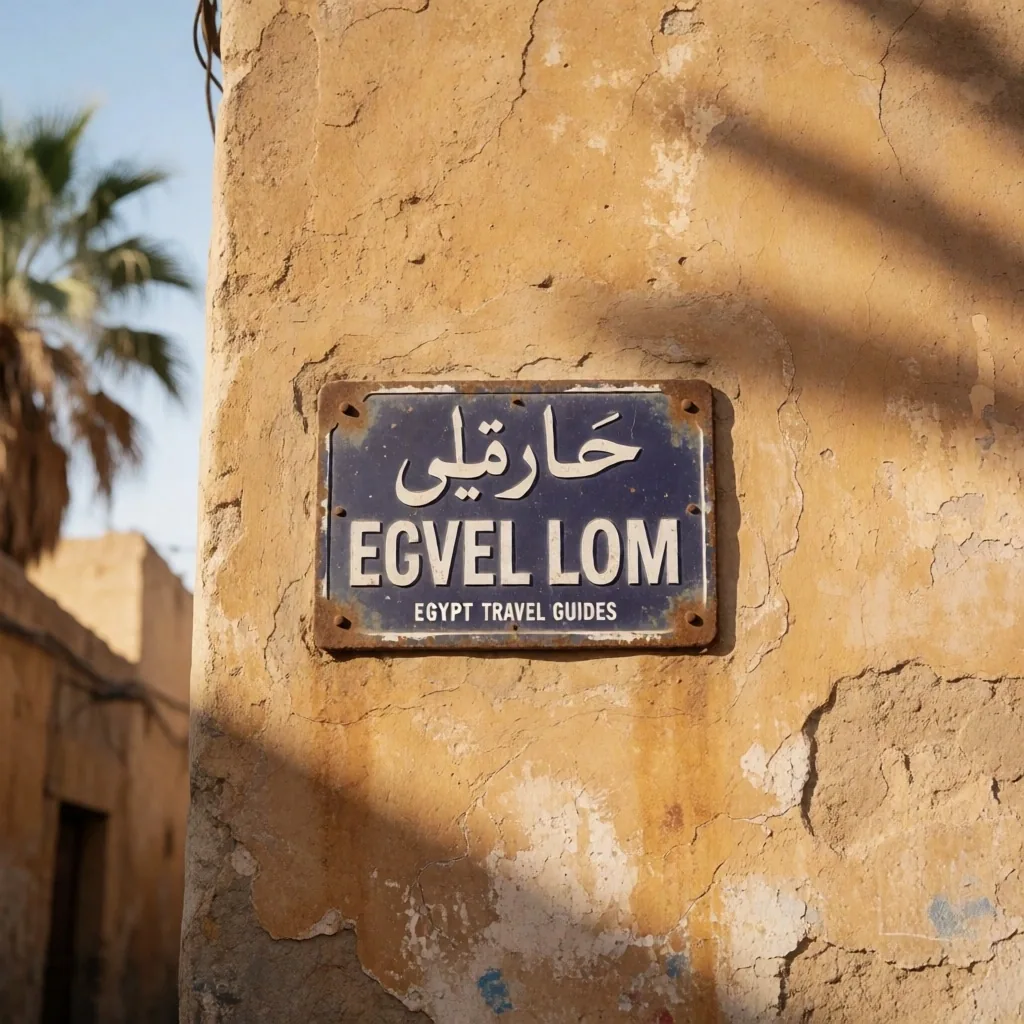
Fig. 03 — Bilingual signage in a valley town
Do I need to speak Arabic?
While English is widely understood in the tourism-heavy areas, it is less common in the rural villages and the oases. Learning the Arabic numbers and a few basic greetings will make your interactions much smoother. Most signs in major cities and transport hubs are in both Arabic and English.
The numbers are the most useful thing to learn, because you will hear them quoted for fares, fares, and market prices everywhere. After that, a greeting (salaam), a thank you (shukran), and the phrase for "how much" (kam) will carry you through most daily exchanges. In the rural villages of Upper Egypt and the Western Desert oases, even those few words will change the tone of a conversation from transactional to welcoming.
Plugs & Voltage
What is the electrical situation?
Egypt uses the standard European two-pin plug (Type C and F) and the voltage is 220V. Most modern hotels and guesthouses provide plenty of outlets, but if you are heading into the desert, you should bring a portable power bank for your devices. Surges are rare but can happen, so a protector is a good idea for sensitive electronics.
In the cities, charging a phone or a laptop is no different from anywhere in continental Europe. The exception is the deep desert, where camp generators may run for only a few hours in the evening, and where there may be no power source at all for a night or two. A 20,000 mAh power bank will recharge a phone three or four times, which is usually enough for a two-day excursion.
Is the internet widely available?
WiFi is common in cafes and hotels in the major cities, but the speed can be variable. For the most reliable access, we recommend purchasing a local SIM card with a data package. Note that coverage will be non-existent in the deep desert and can be spotty in the remote mountains.
A local SIM with a few gigabytes of data can be picked up at the airport or from any mobile shop in the cities, and it will give you a far more stable connection than relying on café WiFi for navigation, translation, or messaging. If your route takes you into the Western Desert or the Eastern Desert, download offline maps and any translation phrases you need before you leave the last town with signal. Once you are past the final checkpoint, the phone will go quiet — which is part of the experience.
Could not find the answer you were looking for?
Our egypt travelling guides cover the questions above, but every itinerary brings its own specifics. If you are weighing a route, comparing regions, or trying to understand a local norm that is not addressed here, write to us directly. We answer reader questions and fold the most useful ones back into this page.